
Podcasts
The attendance of the CPACPG at the OESA Bow Valley Art Gathering revealed the struggle of local artists with visibility as well as access to resources, being it resources to help them develop their art, or resources to connect to other artists or their community.
This highlighted the opportunity that triggered the need to start a podcast to listen and connect artists with their community.
During the 49th Canmore Folk Music Festival, many Bow Valley artists and organizations agreed to co-host the CPACPG Vlog/Podcast as a mean to introduce artists of the Bow Valley to each other, resources and community at large.
Stay Tuned ..
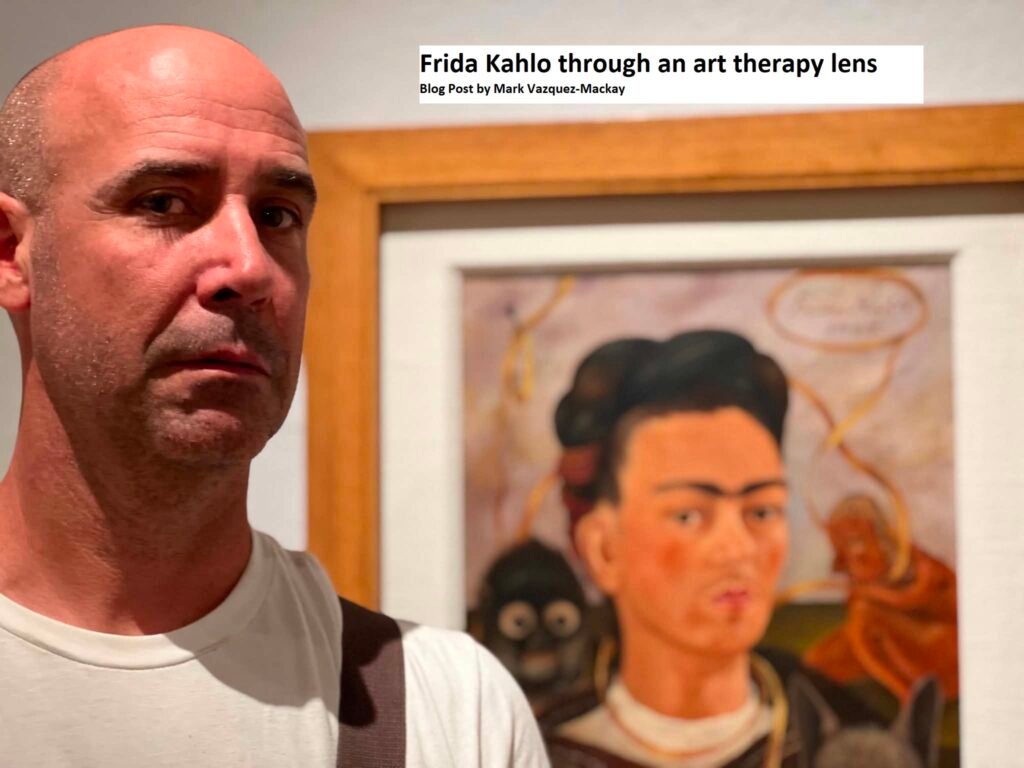
It has taken most of my life to realize that all of the world’s most sincere art comes from a place of self-therapy. Before this understanding, I, like most people, thought art was a commodity to be consumed by others—something beautiful and divine-like.
Before having any theoretical thoughts around what art is, I first started making it on a regular basis when I was nine years old. It is an easy age for me to remember because my dad had left us to move to the other end of Canada, and we were living in public housing on social assistance. My mom stayed out late most nights, leaving my sister and me to raise ourselves. I had an uncle by marriage who worked for the local newspaper, and he would give me the ends of the newsprint rolls. They were long enough that I could tape the paper 360 degrees around my bedroom. I would draw long narratives of very violent scenes all around the room. Until I was an adult, I thought this violence was just my nature. I later realized that the scenes I drew over and over again, year after year, were an outlet for me to express my feelings about the conditions I had to grow up in.
While I was never seen as the “talented kid,” I kept drawing—not for anyone else, but only for my own escape and to have a space that I felt I was in control of. I went to art school at the Alberta University of the Arts (AUArts) for my BFA, and then made my first move to Mexico to complete an MFA at the Instituto Allende. I struggled to conform to the standard way of building an arts career because I didn’t always feel comfortable sharing my art, and I had a hard time explaining what it was about and why I made it. In fact, I still struggle with all of that.
At first, I found my place in the art world when I started sharing my love for art-making through education. I would share it with as many people as I could from all sectors of society. After about a decade of working in the education sector, I was introduced to art therapy by a former student, Alen Rosales. Under his mentorship, I co-facilitated art programs at the Tom Baker Cancer Centre. Unfortunately, after only three years there, the program was canceled. Fortunately, Wellspring picked up the program, and I have had the privilege of running art programs for people affected by cancer for the past eight years.
Towards the end of the pandemic, when most of my teaching was online, I moved to Mexico City with my wife, Carmen. While many of my other jobs started to slow down their online offerings, Wellspring recognized the benefits of online program delivery and began expanding their virtual presence. I was in the perfect position to expand with them. This was when I stumbled upon a major breakthrough that helped me become a better art therapist and also helped me understand my own artistic journey better. Her name was Frida Kahlo.
I first cued into Frida Kahlo through an art therapy lens when I shared with an online Wellspring group that I was living in Mexico City. A participant asked, “Do you live close to Frida’s Blue House?” I proudly answered that yes, I was about five kilometers away. They were amazed, and I came to understand why they were so interested in Frida. I quickly put together a program exploring Frida and her life journey through art. Wellspring supported my idea, and through weekly sessions examining Frida’s paintings, I started to see that Frida was practicing art therapy before the term ever existed. In our sessions, we would collectively look at Frida’s work, and participants would see her struggle and courage. After exploring these pieces, participants would be encouraged to create a work inspired by one of the themes we uncovered in Frida’s art.
I found a new appreciation for Frida Kahlo and make sure to visit her works on a monthly basis. She has taught me that we should make art only for ourselves and not concern ourselves with how others want to see it. No judgment, no audience—only self-expression.
Mark Vazquez-Mackay
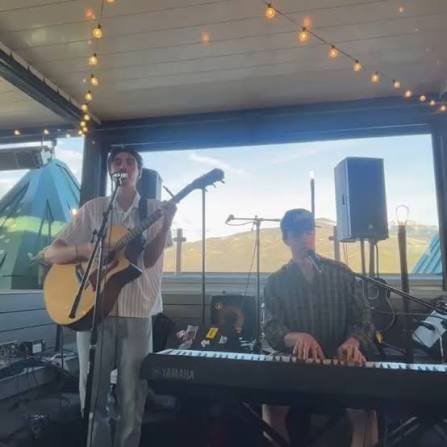
The Isaac Brothers: a singer-songwriter duo from Canmore, made up of Noah and Mica Isaac. They are known for their blend of rhythmic guitar, melodic piano, and rich vocal harmonies. The duo performs both original songs and heartfelt covers.
The Isaac Brothers will be the guests of E1 of our Podcast.
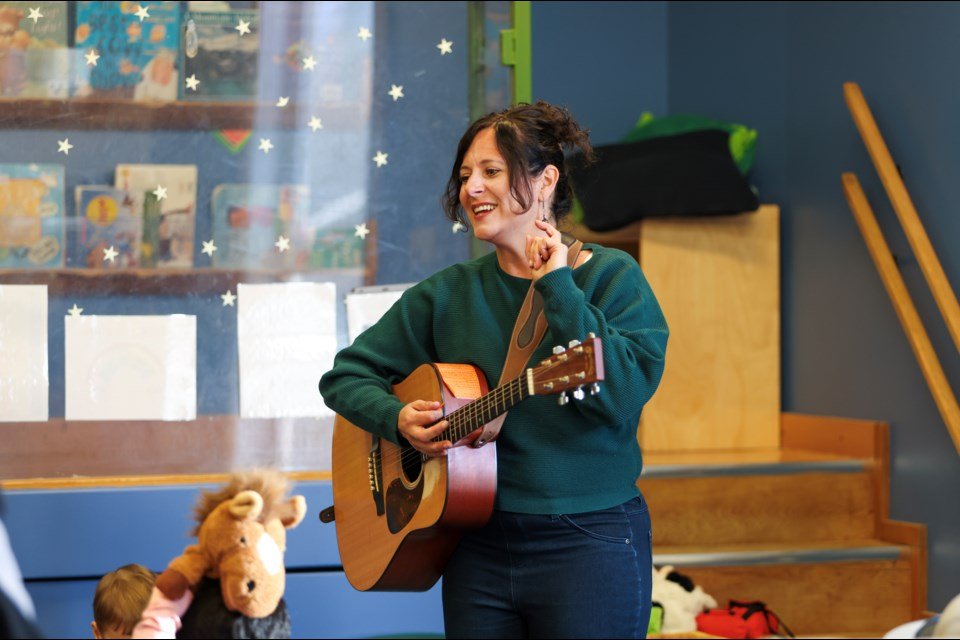
Weekly drumming circles with Corina is a highlight of the week. It’s lively, energetic, playful, and food for the soul longing for healing.
Corina Strim will be the guest of E1 of our Podcast.